Have you ever experienced a sudden, sharp pain while drinking a hot coffee or enjoying an ice cream? If so, you’re not alone. Tooth sensitivity is one of the most common dental concerns, affecting people of all ages. While occasional sensitivity may not always indicate a serious problem, persistent discomfort is often a sign that your teeth need professional attention.
Tooth sensitivity can develop gradually or appear suddenly, making everyday activities like eating, drinking, or even brushing your teeth uncomfortable. The good news is that, in many cases, sensitivity can be successfully managed once the underlying cause is identified.
At Delicate Dentistry, we help patients from Marion, Mitchell Park, Plympton, Clovelly Park, Somerton Park, and surrounding suburbs understand the cause of their tooth sensitivity and recommend personalised treatment options to restore comfort and protect their long-term oral health.
If you’ve been experiencing sensitive teeth, here’s what you need to know.
What Is Tooth Sensitivity?
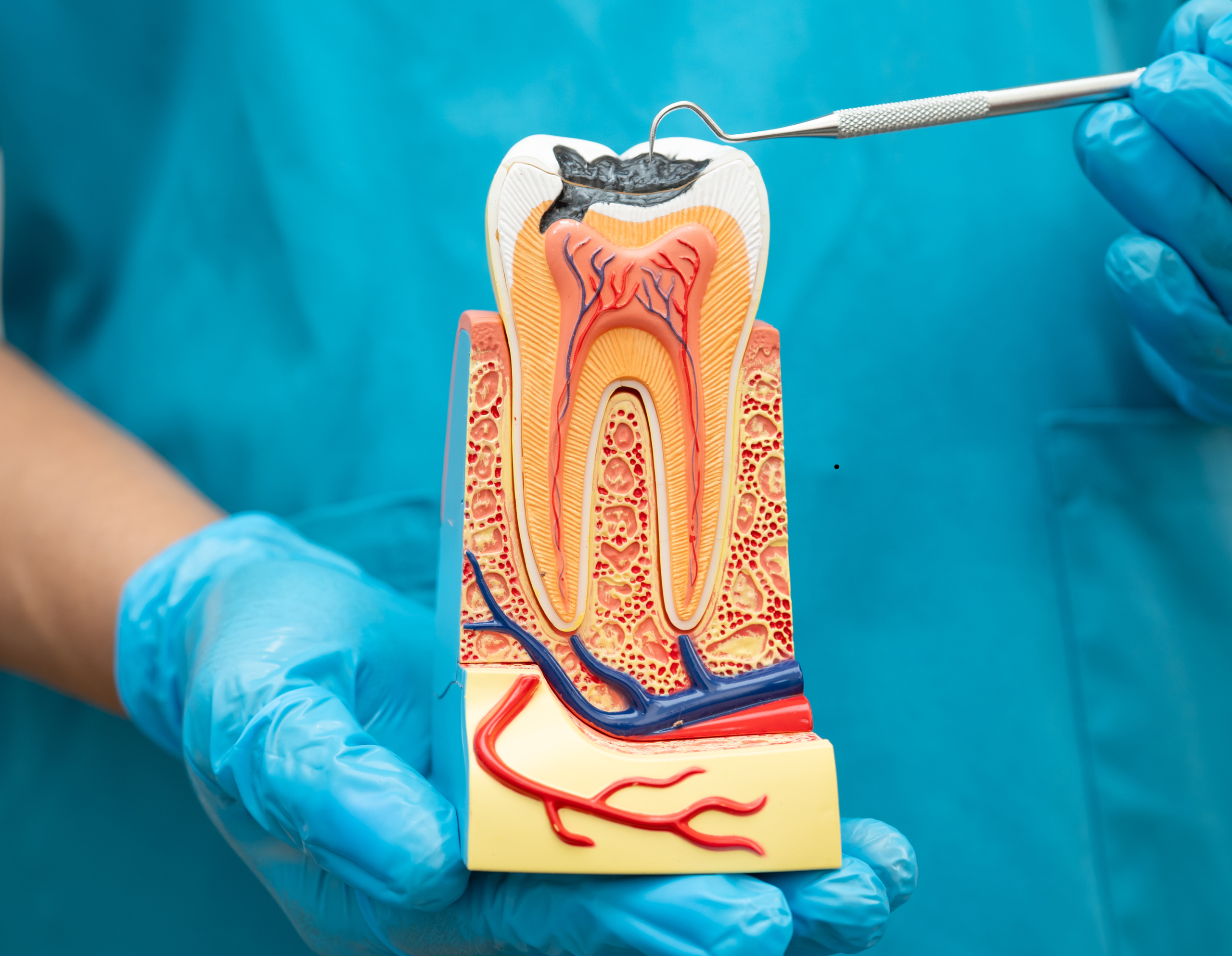
Tooth sensitivity, also known as dentine hypersensitivity, occurs when the protective outer layer of the tooth becomes worn or the gums recede, exposing the underlying dentine.
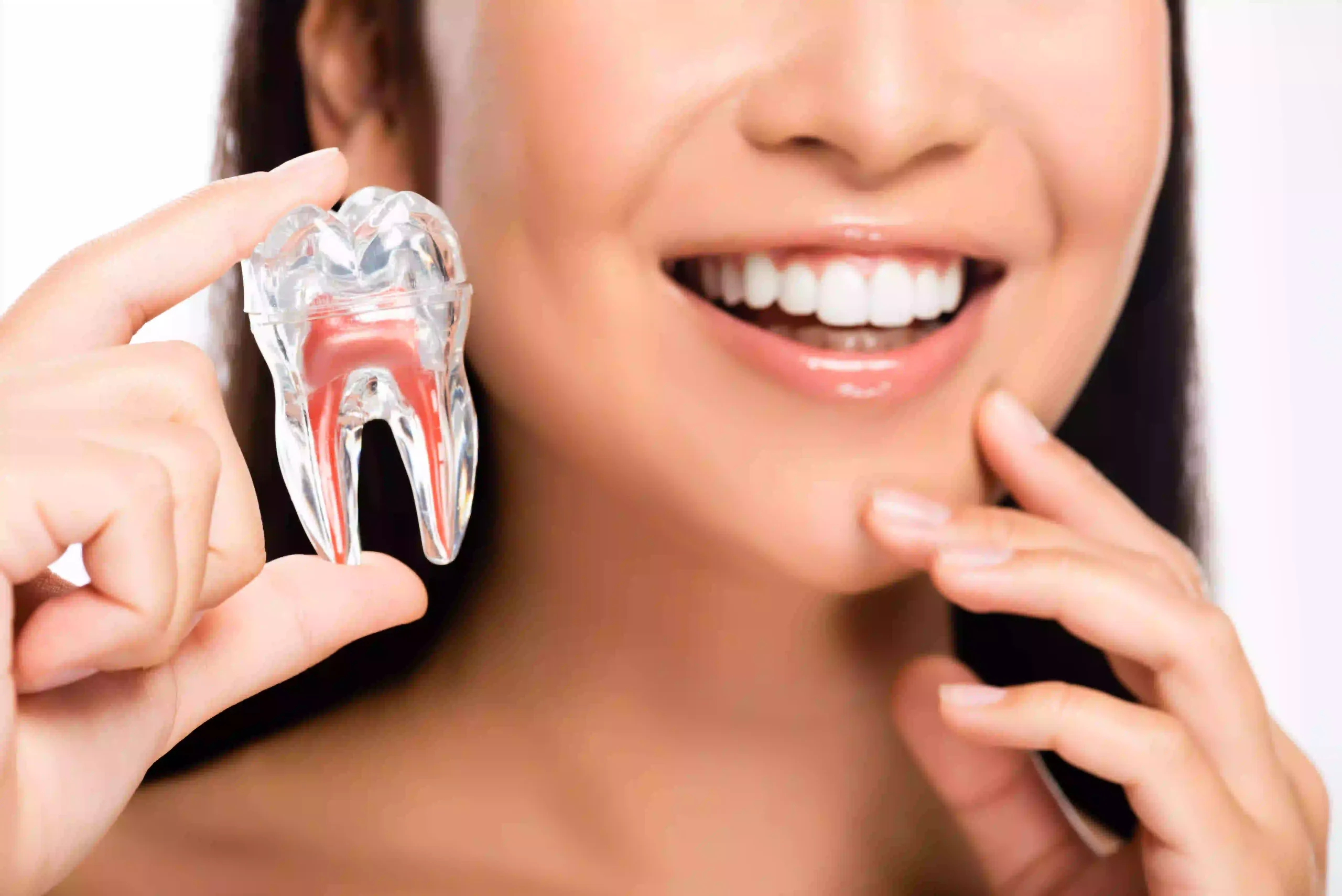
Dentine contains tiny channels that lead directly to the nerve inside the tooth. When exposed to hot, cold, sweet, or acidic foods and drinks, these channels allow sensations to reach the nerve, resulting in the sharp pain many people experience.
Although tooth sensitivity is common, it shouldn’t be ignored—especially if it becomes frequent or severe.
What Causes Tooth Sensitivity?
There isn’t one single cause of tooth sensitivity. In fact, several dental conditions and everyday habits can contribute to the problem.
Worn Tooth Enamel
Enamel is the hard outer layer that protects your teeth. Over time, it can gradually wear away due to ageing, acidic foods and drinks, or aggressive brushing.
As enamel becomes thinner, the sensitive dentine underneath becomes more exposed.
Gum Recession
Healthy gums protect the roots of your teeth. However, gum disease or brushing too hard can cause the gums to recede, exposing areas of the tooth that aren’t protected by enamel.
This is a common cause of sensitivity, particularly when consuming cold foods and beverages.
Tooth Decay or Cracks
Cavities and small cracks in a tooth can allow bacteria and external stimuli to reach the inner layers of the tooth, causing pain and sensitivity.
Even small cracks may not always be visible, making regular dental examinations important for early detection.
Teeth Grinding (Bruxism)
Many people grind or clench their teeth while sleeping without even realising it.
Over time, this can wear down tooth enamel and increase tooth sensitivity, particularly along the biting surfaces of the teeth.
Your dentist can assess whether grinding may be contributing to your symptoms.
Recent Dental Treatment
Some patients experience temporary sensitivity after procedures such as fillings, crowns, professional teeth whitening, or deep cleaning.
This type of sensitivity is usually short-lived and improves as the tooth settles.
If discomfort continues for an extended period, it’s important to contact your dentist for further assessment.
When Should You See a Dentist?
Occasional sensitivity may not always require treatment, but persistent or worsening symptoms should never be ignored.
It’s a good idea to arrange a dental examination if you experience:
- Sharp pain when eating or drinking
- Sensitivity that lasts after the hot or cold item has been removed
- Pain when brushing or flossing
- Sensitivity affecting a single tooth
- Discomfort that continues for several days or weeks
Identifying the cause early often allows for simpler and more conservative treatment.
How Is Tooth Sensitivity Treated?
Treatment depends on the underlying cause of your sensitivity.
After a thorough examination, your dentist may recommend one or more of the following:
Desensitising Toothpaste
Specially formulated toothpaste can help reduce sensitivity by blocking the tiny channels within the dentine that transmit pain signals.
Regular use often provides gradual improvement.
Fluoride Treatment
Professional fluoride applications help strengthen enamel and reduce sensitivity by protecting exposed areas of the tooth.
This treatment is quick, non-invasive, and commonly used for mild sensitivity.
Treating Tooth Decay or Damage
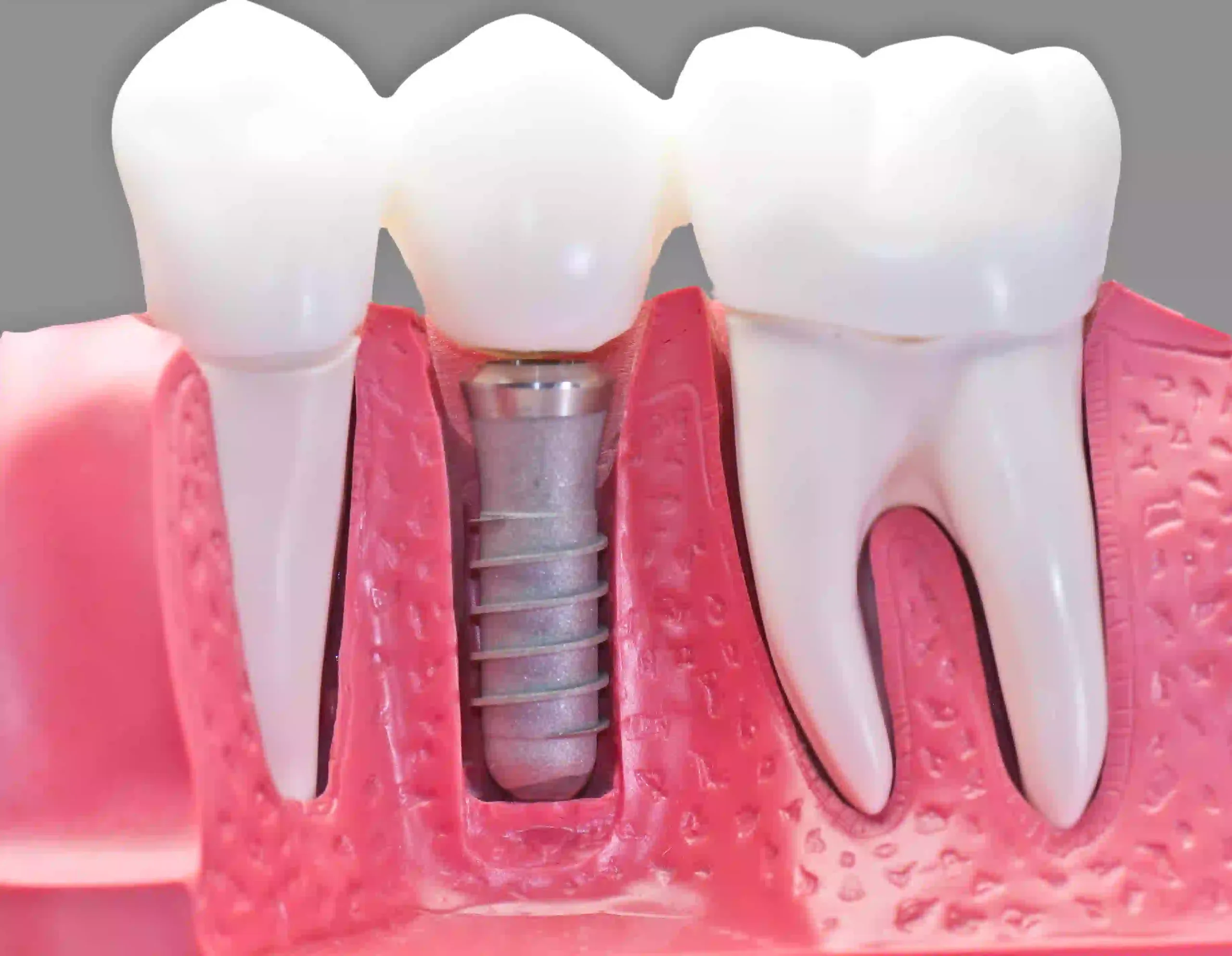
If sensitivity is caused by a cavity, cracked tooth, or worn filling, restorative treatment such as a filling or crown may be recommended to protect the tooth and eliminate discomfort.
Managing Gum Disease
If gum recession is contributing to sensitivity, your dentist may recommend professional cleaning, improved oral hygiene techniques, or gum disease treatment to help protect your teeth and gums.
Protecting Against Teeth Grinding
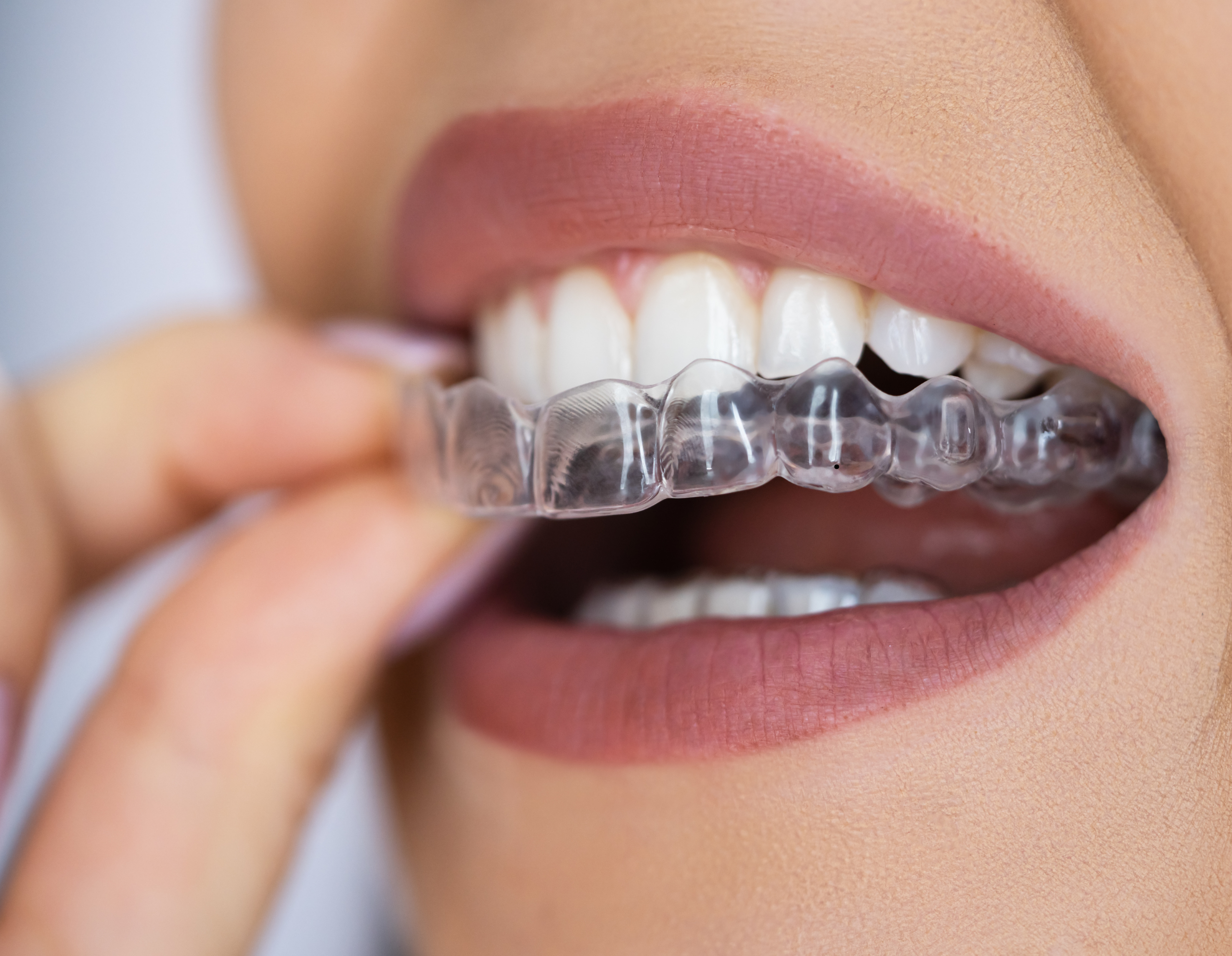
If grinding is identified as the cause, a custom-made night guard may be recommended to protect your teeth while you sleep and reduce further enamel wear.
Preventing Tooth Sensitivity
While not every cause of sensitivity can be prevented, adopting healthy oral care habits can significantly reduce your risk.
Some simple ways to protect your teeth include:
- Brush gently using a soft-bristled toothbrush.
- Use fluoride toothpaste twice a day.
- Limit acidic foods and sugary drinks.
- Avoid brushing immediately after consuming acidic beverages.
- Wear a mouthguard if you grind your teeth.
- Visit your dentist regularly for check-ups and professional cleans.
Preventive dental care is one of the most effective ways to identify potential problems before they become more serious.
Why Choose Delicate Dentistry?
At Delicate Dentistry, we understand that even mild tooth sensitivity can affect your daily comfort and confidence. Our approach begins with identifying the underlying cause rather than simply treating the symptoms.
We take the time to perform a comprehensive examination, explain our findings clearly, and recommend treatment options that are tailored to your individual needs. Whether your sensitivity is caused by enamel wear, gum recession, tooth decay, or another condition, our experienced team is here to help.
Conveniently located in Marion, South Australia, we proudly care for patients from Mitchell Park, Plympton, Clovelly Park, Somerton Park, and surrounding suburbs, providing gentle, personalised dental care in a welcoming environment.
Don’t Let Tooth Sensitivity Affect Your Daily Life
Sensitive teeth can make simple pleasures like enjoying your favourite coffee or an ice cream uncomfortable, but you don’t have to live with the discomfort. Identifying the cause early can help prevent more serious dental problems while restoring your comfort and confidence.
If you’ve been experiencing ongoing tooth sensitivity, the team at Delicate Dentistry is here to help. We’ll assess your oral health, determine the cause of your symptoms, and recommend the most appropriate treatment to help protect your smile.
Book your consultation today and take the first step towards a healthier, more comfortable smile.