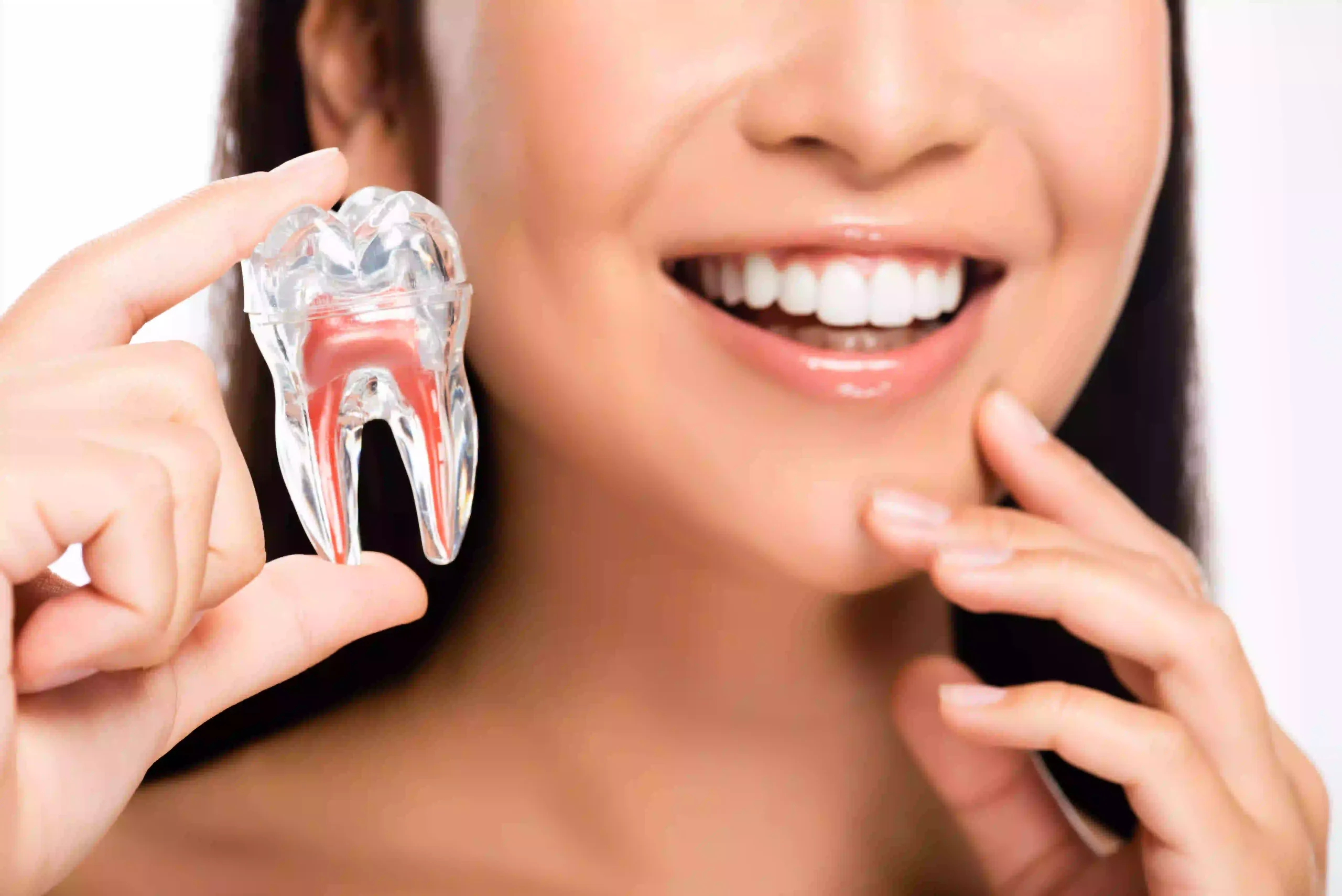
Dental emergencies can happen when you least expect them. A sudden toothache, broken tooth, swelling, knocked-out tooth, or dental injury can quickly become painful and concerning.
Knowing what to do when a dental emergency occurs can help protect your teeth, reduce discomfort, and prevent the problem from becoming more serious.
If you’re looking for an emergency dentist in Marion, SA, understanding when urgent dental care is needed can help you make the right decision when every minute matters.
Here are some common dental emergencies and what you should do if they happen.
1. Severe or Sudden Toothache
A mild toothache may sometimes be manageable, but severe or persistent tooth pain should not be ignored.
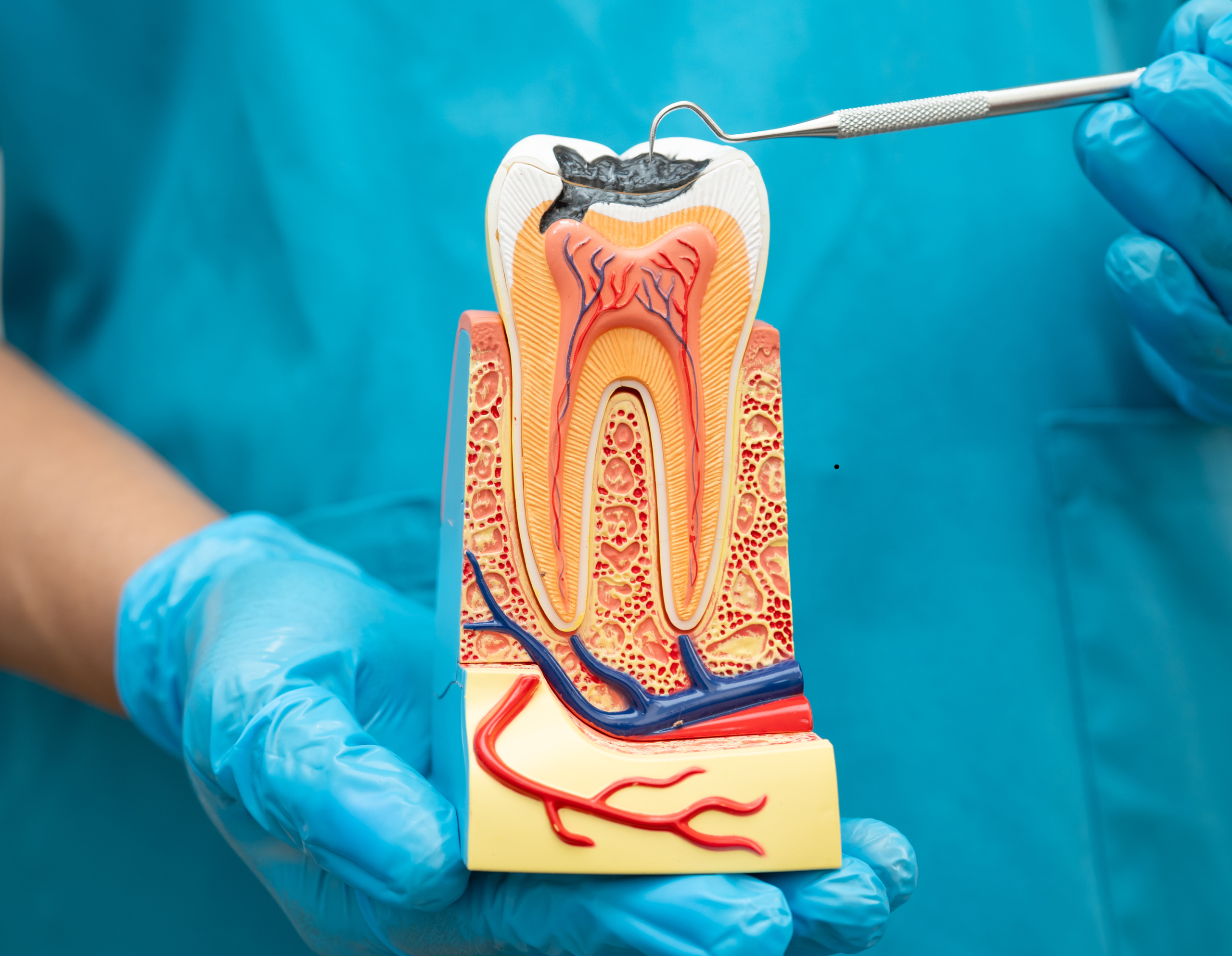
A sudden toothache can be caused by several issues, including:
- Tooth decay
- Dental infection
- A cracked or damaged tooth
- An exposed nerve
- Gum infection
- Problems with an existing filling or crown
If the pain is severe, continues to worsen, or is accompanied by swelling or fever, it is important to seek professional dental care as soon as possible.
Taking pain medication may provide temporary relief, but it does not address the underlying cause of the toothache.
At Delicate Dentistry, our dental team can assess the source of your pain and recommend appropriate treatment.
2. Broken, Cracked or Chipped Teeth
A tooth can become damaged due to an accident, sports injury, biting something hard, or an existing weakness in the tooth.
Not every chipped tooth requires emergency treatment, but a large fracture, significant pain, bleeding, or damage extending below the gum line should be assessed promptly.
If you break a tooth:
- Rinse your mouth gently with clean water.
- If there is swelling, apply a cold compress to the outside of your cheek.
- Avoid chewing on the affected side.
- If you have found the broken piece, keep it safely and bring it to your appointment.
Depending on the extent of the damage, your dentist may recommend a filling, bonding, crown, root canal treatment, or another restorative option.
3. Knocked-Out Tooth
A knocked-out permanent tooth is a dental emergency that requires prompt attention.
If a permanent tooth has been completely knocked out, try to handle it carefully by the crown, rather than the root.
Gently rinse it if it is dirty, but avoid scrubbing the tooth.
If possible, the tooth may be temporarily placed back into its socket. If this isn’t possible, keep it moist and seek urgent dental care immediately.
The sooner a knocked-out tooth is assessed, the better the chances of appropriate treatment.
Important: A knocked-out baby tooth should not normally be placed back into the socket. Seek professional advice instead.
4. Dental Swelling or Signs of Infection
Swelling around the tooth, gums, jaw or face can sometimes indicate an infection.
Other symptoms may include:
- Persistent toothache
- Swollen or tender gums
- Pus around the tooth or gums
- Bad taste in the mouth
- Fever
- Difficulty opening your mouth
- Facial swelling
Dental infections should not be ignored. They can sometimes become more serious if left untreated.
If you notice significant facial swelling, difficulty breathing or swallowing, or feel seriously unwell, seek emergency medical attention immediately.
For less severe dental swelling or suspected infection, contact a dentist promptly for assessment and treatment.
5. Excessive Bleeding After a Dental Injury
Minor bleeding can occur after some dental injuries or dental procedures. However, persistent or heavy bleeding requires professional attention.
If you experience bleeding after an injury, place clean gauze or a clean cloth over the area and apply gentle, continuous pressure.
Avoid repeatedly removing the gauze to check whether the bleeding has stopped, as this can interfere with clot formation.
If bleeding continues despite applying pressure, contact a dentist or seek appropriate emergency medical care.
6. Lost Fillings, Crowns or Dental Restorations
A filling, crown or other restoration can occasionally become loose or fall out.
Although this may not always be a serious emergency, you should arrange a dental appointment rather than leaving the tooth untreated.
A missing restoration can leave the tooth vulnerable to:
- Sensitivity
- Further damage
- Decay
- Food getting trapped around the tooth
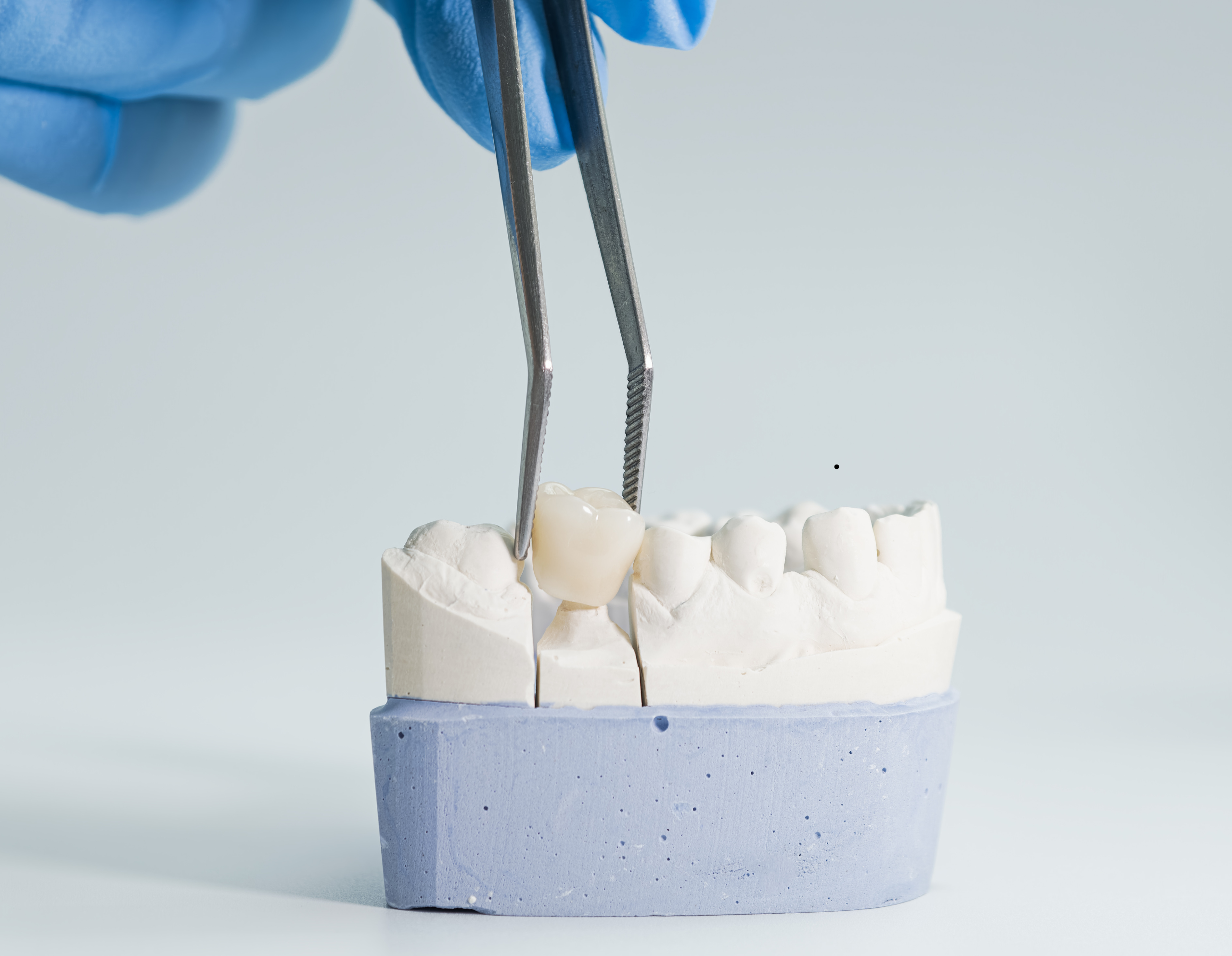
If you have lost a crown, keep it safely and bring it with you to your dental appointment. Your dentist can assess whether it can be repaired or replaced.
7. Dental Injuries from Accidents or Sports
Dental injuries can happen during sport, falls, road accidents or other unexpected situations.
Even if a tooth appears intact after an injury, there may be damage that isn’t immediately visible.
A dental assessment can help determine whether there is damage to the tooth, root, surrounding tissues or jaw.
If you participate in contact or high-impact sports, wearing an appropriately fitted mouthguard can also help reduce the risk of dental injuries.
When Should You See an Emergency Dentist?
It can sometimes be difficult to know whether a dental problem requires immediate attention.
You should seek urgent dental care if you experience:
- Severe or worsening tooth pain
- Significant facial or gum swelling
- A knocked-out permanent tooth
- A severely broken or cracked tooth
- Uncontrolled bleeding
- A dental injury or trauma
- Signs of a serious dental infection
If you’re unsure whether your symptoms qualify as a dental emergency, it is better to contact a dental professional for advice rather than ignoring the problem.
What Should You Keep in Your Dental Emergency Kit?
Having a few basic items available at home can be useful if a dental problem occurs.
Your dental emergency kit could include:
- Clean gauze
- A clean container for storing a knocked-out tooth
- A cold compress
- Over-the-counter pain relief that is suitable for you
- Your dentist’s contact details
Having your dentist’s number readily available can also save valuable time during an unexpected dental problem.
Why Prompt Dental Care Matters
A dental emergency isn’t always just about relieving pain.
Prompt treatment can help identify the cause of the problem and may prevent further damage to the affected tooth.
For example, treating a damaged tooth early may sometimes help preserve more of the natural tooth structure, while addressing an infection promptly can help prevent it from progressing.
If you experience an unexpected dental problem, don’t wait until the pain becomes unbearable before seeking advice.
Emergency Dental Care in Marion, SA
If you’re searching for an emergency dentist in Marion, South Australia, Delicate Dentistry provides dental care for a range of urgent dental concerns.
Located in Marion, our dental team provides general, restorative and emergency dental services in a comfortable and welcoming environment.
Whether you’re experiencing sudden tooth pain, a broken tooth, swelling, a dental injury or another urgent concern, our team can assess your situation and discuss the appropriate treatment options.
If you live in Marion, Mitchell Park, Plympton, Clovelly Park, Somerton Park or surrounding Adelaide suburbs, Delicate Dentistry is conveniently located for your dental care needs.
Don’t Ignore a Dental Emergency
Dental problems rarely choose a convenient time to happen. If you’re experiencing severe pain, swelling, a dental injury or another urgent concern, seeking professional advice promptly can make a difference.
Contact Delicate Dentistry today to discuss your dental emergency or book an appointment.
Delicate Dentistry
Unit 2/13-15 Finniss St, Marion SA 5043
Phone: +61 433 657 559