
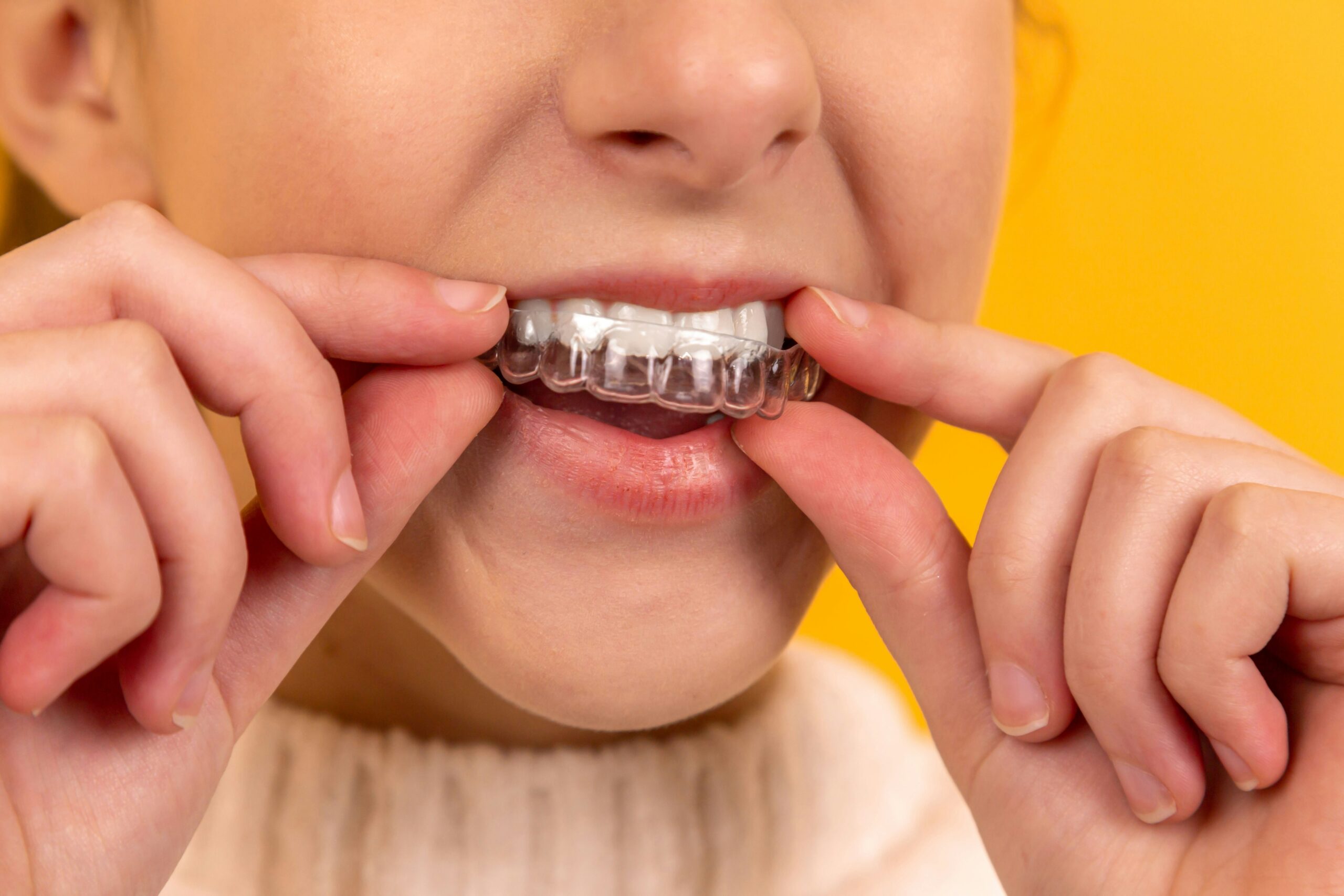
Eating and Drinking with Clear Aligners
Eating and Drinking with Clear Aligners
Clear aligners have become a popular alternative to traditional metal braces, offering a more discreet and removable option for orthodontic treatment. But while aligners are convenient and easy to use, they come with specific care instructions, especially when it comes to eating and drinking.
Understanding how to manage food and beverages while wearing aligners is an important part of keeping your teeth healthy and your treatment on track. Unlike fixed braces, aligners can be removed during meals, which gives you more freedom, but it also means you’re responsible for maintaining good habits to avoid setbacks like staining, cavities, or damage to the aligners themselves.
In this article, we’ll break down the most important do’s and don’ts of eating and drinking with aligners
Why eating and drinking habits matter with aligners
Although aligners offer more flexibility, this comes with added responsibility. Because you can remove them, it’s up to you to manage when and how you eat and drink. Failing to do so can affect your dental health and slow down your treatment progress.
Eating or drinking with aligners in place, even occasionally, can lead to:
- Staining and discoloration of the clear plastic, making aligners more visible
- Warping or damage from hot food or drinks, which can change the fit
- Trapped food particles, which may cause plaque buildup, bad breath, or cavities
By following a few simple rules, you can protect your aligners, maintain good oral hygiene, and keep your treatment moving forward as planned.
The Do’s: Best practices for managing food and drink with aligners
- Remove your aligners before eating or drinking
This is the most important guideline. Any food or beverage—aside from plain, cool water—should be consumed only after removing your aligners. Eating with them can cause cracks, warping, or staining.
- Brush or rinse before reinserting aligners
After meals or snacks, brushing your teeth is ideal. If that’s not possible, rinse your mouth with water before putting your aligners back in. This helps remove food particles and sugars that can get trapped and lead to decay.
- Stick to water while wearing aligners
Plain water is the only safe option to drink while aligners are in place. Sugary, acidic, or hot beverages can damage the aligners and increase your risk of tooth decay.
- Clean your aligners regularly
Each day, clean your aligners using a soft toothbrush and lukewarm (not hot) water. Avoid using toothpaste, which can be too abrasive and cause small scratches. These scratches can make aligners more visible and harbor bacteria.
- Plan your meals and snacks
Since aligners should be worn for 20 to 22 hours a day, consider grouping meals and snacks to limit how often you remove them. This helps keep treatment on schedule and minimizes the chance of misplacing or damaging the aligners.
The Don’ts: Habits to avoid with aligners
Avoiding the following common mistakes can prevent setbacks during your aligner treatment:
- Don’t eat or drink anything (except water) with aligners in
Even “harmless” beverages like coffee, tea, or juice can stain or deform the plastic. Chewing while wearing aligners can lead to cracks or warping.
- Don’t snack without removing your aligners
Frequent snacking means more aligner removals, and if you skip cleaning your teeth before reinserting them, you increase the risk of plaque buildup or cavities.
- Don’t use harsh or abrasive cleaners
Avoid products like bleach, alcohol-based mouthwash, or whitening toothpaste to clean your aligners. These can damage the plastic and make them less effective—or even unsafe to wear.
- Don’t skip wearing your aligners
Wearing your aligners for fewer hours than recommended can delay your progress. Make sure they stay in for the recommended 20–22 hours a day, even on weekends or when traveling.
Tips for comfort and long-term care
- Always carry your aligner case to store them safely when not in use. Wrapping them in a napkin can lead to accidental loss.
- Avoid overly sticky, chewy, or hard foods that may put stress on your teeth, making reinsertion uncomfortable.
- Stay hydrated to reduce dry mouth, especially since aligners can limit saliva flow slightly.
- Visit your dental provider regularly for check-ups and to ensure your treatment is progressing as expected.
Key takeaway
Following these simple guidelines will help keep your aligners in good condition and support a smooth, timely treatment. When you’re consistent with your care:
- Your aligners stay clear and discreet
- Your teeth remain protected from decay or gum problems
- Your treatment stays on schedule with fewer interruptions
Clear aligners are an investment in your long-term oral health and appearance. By taking a few minutes each day to follow these best practices, you’re making sure that investment pays off.
Have questions about aligner care? We’re here to help
If you’re unsure whether your eating or drinking habits are supporting your aligner treatment, or if you’re noticing issues with fit, staining, or discomfort, it’s a good idea to check in with your dental provider.
At Delicate Dentistry, we support our patients through every stage of aligner treatment—from initial consultation to daily care guidance. If you have questions about aligner-friendly routines, how to manage treatment during travel, or what to do if an aligner is damaged, our team is here to offer advice based on your needs.
Schedule your consultation with Delicate Dentistry today.